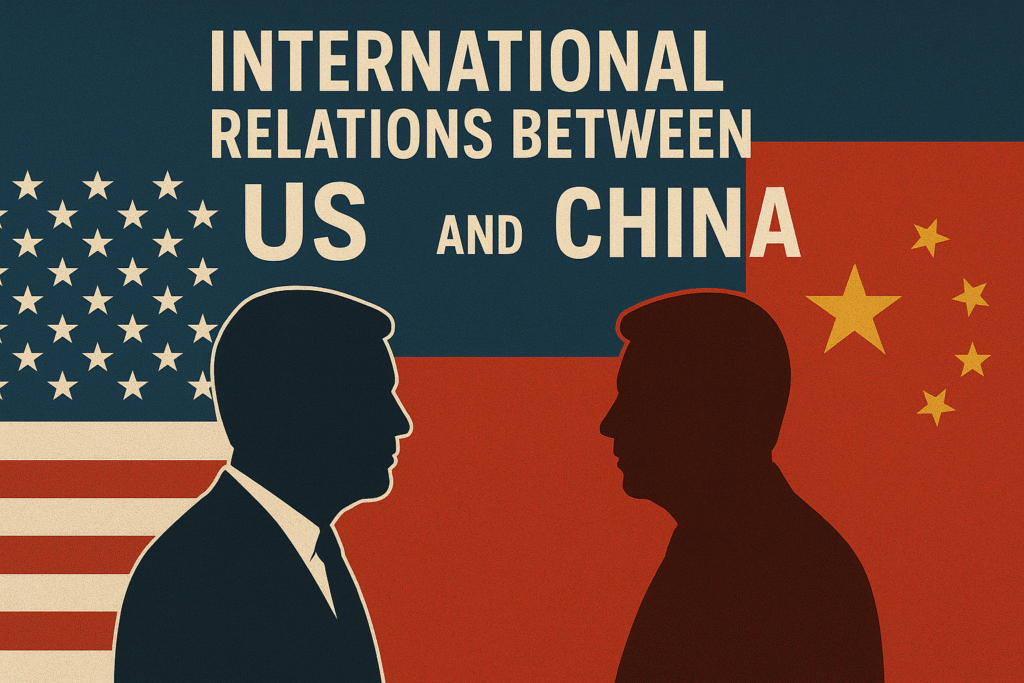
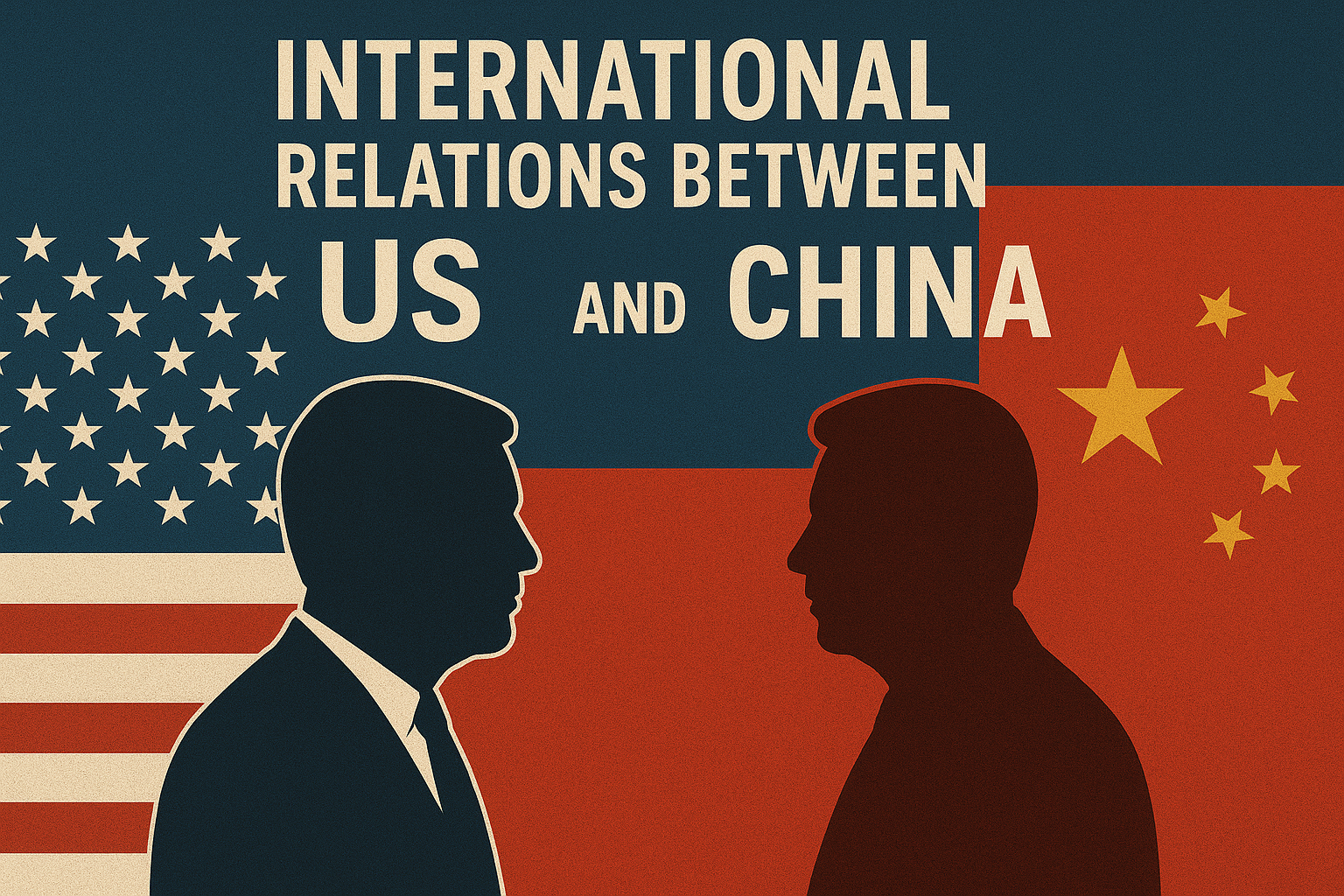
Introduction:
The US-PRC relationship is perhaps the most significant bilateral relationship in the contemporary world. The two countries—economic and military giants alike—define the global political framework, set tones for international trade mechanisms, and shape security paradigms for years to come. Over the past few decades, their relationship has been characterized by strategic competition, economic interdependence, and ideological differences. From Cold War-era animosity to the current trade and tech rivalry, US-China relations have experienced rounds of cooperation and competition.
Historical Overview of US-China Relations
Understanding today’s tensions requires looking back at the key historical turning points.
| Era | Key Events | Impact on Relations |
|---|---|---|
| 1949-1971 | US refuses to recognize PRC; supports Taiwan | Hostility & no formal ties |
| 1972-1989 | Nixon’s visit, opening of China | Diplomatic normalization |
| 1990-2000 | China’s WTO accession talks | Growing trade cooperation |
| 2001-2015 | China joins WTO; US invests heavily in China | Economic interdependence |
| 2016-2020 | US-China trade war under Trump | Escalating tensions |
| 2021-Present | Strategic competition in Indo-Pacific | Rivalry with selective cooperation |
Economic Relations: Trade, Investment, and Technology
Trade Dynamics :
China and the US have one of the biggest trade relationships in the world, totaling more than $690 billion in 2023. However, their dependence is fraught with tariffs, sanctions, and restrictions.
Major US Exports to China
- Agricultural produce (soybeans, corn, pork)
- Aircraft and aerospace products
- Machinery and chemicals
Major Chinese Exports to US
- Electronics (mobile phones, computers)
- Clothes and textiles
- Consumer products
| Year | Total Trade ($B) | Notable Events |
|---|---|---|
| 2018 | 659 | Trade war begins |
| 2020 | 560 | COVID-19 pandemic |
| 2023 | 690 | Partial recovery |
Technology Rivalry
The US and China are engaged in a technology arms race, vying in:
- Artificial Intelligence (AI)
- 5G Networks (Huawei bans and restrictions)
- Semiconductor manufacturing (US chip sanctions)
- Renewable energy technologies
Political and Diplomatic Relations
Major Areas of Cooperation
- Climate change efforts
- International pandemic response
- Anti-nuclear proliferation
Areas of Tension
1:Taiwan
US militarily supports Taiwan; China regards it as part of its territory.
2:South China Sea
Rival territorial claims.
3:Human Rights
US condemns China for Xinjiang and Hong Kong policies.
Security and Military Balance
Military competition is a core aspect of US-China relations.
| Aspect | United States | China |
|---|---|---|
| Military Budget (2024) | $886B | $296B |
| Aircraft Carriers | 11 | 3 |
| Overseas Bases | 750+ | Limited presence |
| Global Alliances | NATO, QUAD, AUKUS | Regional partnerships |
Soft Power and Cultural Exchange
- More than 280,000 Chinese students are enrolled in US universities.
- Hollywood movies sell well in China but are censored.
- Cultural diplomacy is restricted by political tensions
Global Impact of US-China Relations
Economic Impact
- Global supply chains rely on stable US-China trade.
- Sanctions and tariffs can increase global prices.
Political Impact
- Their competition shapes regional alliances in Asia and worldwide.
Future Outlook
Experts are foreseeing strategic competition to continue being the prevailing trend, with intermittent cooperation in areas of mutual interest.
Potential Scenarios:
- Managed Competition: Competition with organized dialogue.
- Full Economic Decoupling: Both nations diminish interdependence.
- Conflict Escalation: Particularly over Taiwan or the South China Sea.
Frequently Asked Questions (FAQs)
Because both countries control world trade, technology, and security networks.
Taiwan, trade imbalances, technology restraints, and human rights conflicts.
Though possible, direct conflict is avoided by both sides because of the international ramifications.
Tariff changes and supply chains may influence product prices globally.