Overview:
The Emerging Wildlife Emergency
Ecosystems are currently being reshaped by climate change, which is no longer a threat from a distance. More than 3,500 animal species could go extinct in 2025 as a result of extreme weather events, habitat destruction, and warming temperatures 16. The effects are happening more quickly than expected, from bleaching coral reefs to the extinction of Arctic species.
This 2,500+ word guide looks at:
- The most impacted species in 2025 (with startling case studies)
- Heatwaves, ocean acidification, and disruptions in migration are the main threats. Scientific advances in monitoring the effects of climate change Four tried-and-true methods to save wildlife
- FAQs and a free action toolkit
1.The Most Affected Species in 2025
A. Marine Life: The Quiet Decline
- Corals: following the 2016 heat wave, 29% of the Great Barrier Reef died; estimates for 2025 indicate that 90% of it may bleach by 2030 5.
- Molluscs: As a result of warming waters, 90% of mollusc populations along Israel’s coastline have disappeared. 6.
- Whales: Because of disturbed food chains, 7,000 humpback whales perished in the North Pacific between 2013 and 2021 6.
B. Loss of Habitat & Starvation for Land Animals
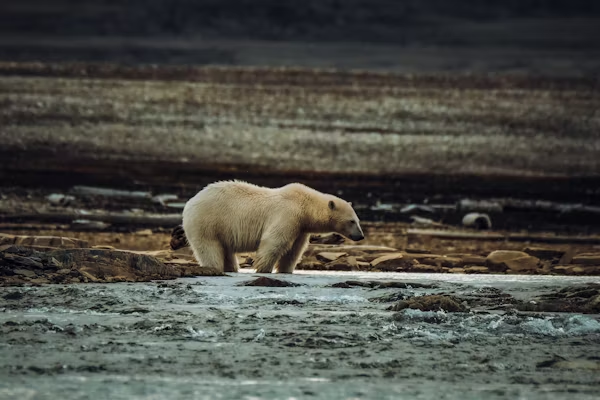
- As the Arctic ice melts, polar bears must swim farther, which has caused a 40% decrease in some populations 5.
- Heatwaves have caused more than 60 species of bumblebees to go extinct locally in North America and Europe.
- Birds: Guam’s fruit bats and Hawaiian honeycreepers were declared extinct in 2025 5.
2. Major Risks Hastening the Decline of Wildlife
A. Severe weather conditions
- One billion marine animals were killed by marine heatwaves in the Pacific Northwest in 2021.
- Droughts: Due to habitat loss brought on by climate change, Australia’s Bramble Cay melomys became the first mammal to go extinct 1.
B. Acidification of the Ocean
- pH drop: As oceans absorb CO₂ 1, corals and shelled invertebrates (like oysters) find it difficult to grow.
C. Migration Disrupted
- Sharks: New routes cut down on seagrass grazing, which results in 6 gigatonnes less CO₂ being absorbed each year.
- Arctic birds: Common murre 6 and other species’ nesting grounds are reduced by rising temperatures.
3. Scientific Advances in Impact Monitoring
A. Updates to the IUCN Red List
- Vertebrates make up the majority of the 5.5% of species evaluated, with invertebrates receiving less attention.
- Storms, droughts, and “climate-driven starvation” have been added as new threats 13.
B. Databases of Mass Mortality
Researchers call for a worldwide die-off tracker (such as T-MEDNet for Mediterranean species) 1.
4. Ways to Preserve Wildlife
1. Increase the number of protected areas
- Marine reserves: By 2030, protect 30% of oceans and lessen fishing pressure 4.
- Climate corridors: Link disparate habitats to facilitate the migration of species 8.
2.Solutions Based on Nature
- Restoration of mangroves: Preserves coastal species and absorbs four times as much CO₂ as rainforests.
- Reforestation: Restoring 100 million hectares is the goal of Africa’s “Great Green Wall.”
3. Conservation Driven by the Community
80% of the biodiversity on Earth is managed by indigenous groups; uphold their land rights 9.
4. Integration of Policies
- Combine climate and biodiversity policies (e.g., UN Endangered Species Act + Paris Agreement) 5.
5. Ethical Discussions & Difficulties
A. The Debate Around “Assisted Migration”
- Should we move species to cooler climates, such as the American pika? Invasive competition is one of the risks.
B. Trade-offs in Economics
- 40% of the land is used for agriculture; can we restrict its growth? 5.
FAQs
A: The immediate collapse of pollinators like bees, corals, and Arctic mammals 16.
A: Too slow; the rate of climate change is 100 times greater than that of previous extinctions 5.
A: Encourage policies, support conservation NGOs, and lessen your carbon footprint. 9.
Free Toolkit for Wildlife Action
- List of endangered species
- Guide to a climate-friendly lifestyle
- Templates for advocacy letters