Introduction:
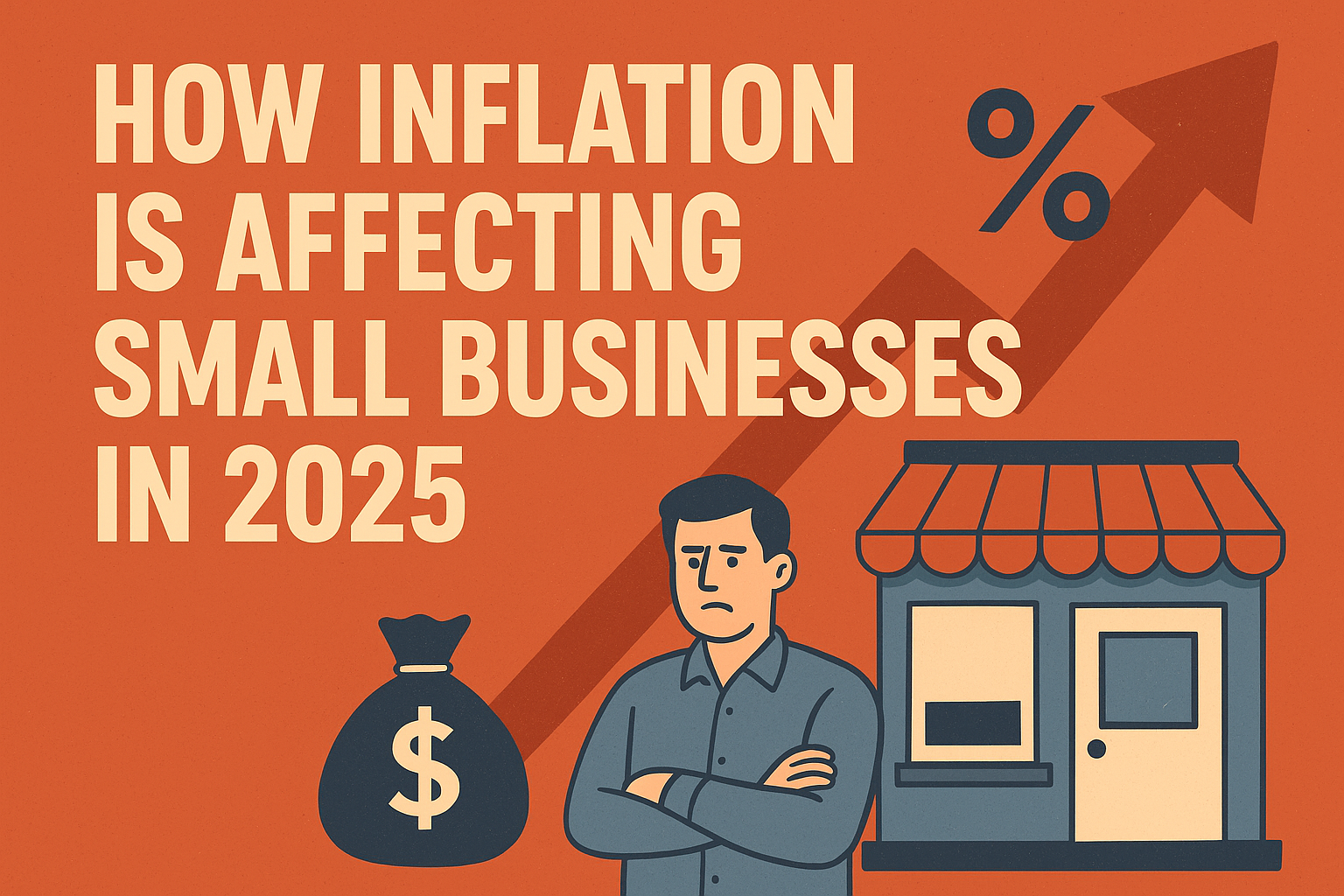
Inflation ranks among the most significant economic issues that small businesses worldwide are currently grappling with. Whether it is increased fuel and energy prices or raw material costs, inflation reconditions the way small companies do business, set their pricing, and maintain clients. Small businesses, unlike large companies with huge financial buffers, lack the ability to absorb price fluctuations, leaving them susceptible to business shutdown.
Understanding Inflation
Inflation is the persistent rise in the overall price level of goods and services over time. It diminishes the buying power of money, that is, companies have to pay more to acquire the same resources.
Major Contributors to Inflation in 2025
- Supply Chain Disruptions (post-pandemic recovery, international conflicts)
- Increasing Energy Prices
- Labor Market Pressures (increased wages due to lack of skilled labor)
- Monetary Policies (changes in interest rates by central banks)
Impact of Inflation on Small Businesses
| Area of Impact | Effect on Small Businesses |
|---|---|
| Operating Costs | Higher rent, utilities, raw materials |
| Employee Wages | Workers demand higher pay |
| Consumer Spending | Customers cut back on non-essential purchases |
| Profit Margins | Reduced due to inability to raise prices proportionally |
| Borrowing Costs | Higher interest rates on business loans |
1. Increased Operational Expenses
Inflation elevates the cost of raw materials, transportation, and utilities. Increased food prices cut margins for small restaurants, while equipment costs push up manufacturing SMEs.
2. Labor Issues
Workers insist on salary increases to help them deal with inflation. Small companies, as compared to large corporations, cannot keep pace with salary increases
3. Consumer Consumption Pattern
With inflation, consumers value necessities overabundant, reducing spending on luxuries or discretionary items, which hurts industries such as fashion, restaurants, and vacations
4. Borrowing and Financing
Central banks tend to act against inflation by increasing interest rates. This increases the cost of borrowing, deterring opportunities for growth among small businesses
Industry-Wise Breakdown
| Industry | Inflation Impact | Small Business Challenge |
|---|
| Food & Restaurants | Rising ingredient costs | Menu price hikes risk losing customers |
| Retail | Supply chain costs | Inventory shortages & lower sales |
| Manufacturing | Higher raw material costs | Difficulty competing with large firms |
| Transportation | Fuel price increases | Delivery costs soar |
| Services | Wage demands | Difficulty retaining skilled workers |
Global Case Studies
- United States: Small businesses encounter record-high rent hikes in inner cities.
- Europe: Inflation in energy increases the cost of production for SMEs.
- Asia: Small export-driven companies affected by volatile currency rates.
Survival Strategies for Small Businesses
To survive inflation, small businesses require innovative and responsive strategies:
- Dynamic Pricing – Price adjustment according to market conditions.
- Diversifying Suppliers – Minimizing reliance on sole vendors.
- Technology Adoption – Mechanization to save costs.
- Debt Management – Refinancing loans to prevent higher interest.
- Customer Loyalty Programs – Encouraging repeat business.
Survival Tactics vs. Benefits
| Strategy | Benefit |
|---|
| Digital tools & automation | Reduce overhead costs |
| Flexible pricing | Balance affordability & profit |
| Local sourcing | Reduce transportation costs |
| Subscription models | Ensure consistent revenue |
| Employee incentives | Retain workforce loyalty |
Future Projection
Although inflation is likely to moderate in 2026, small businesses should be ready for ongoing volatility. Economists forecast that companies focusing on digitalization and sustainability will triumph over rivals.
Frequently Asked Questions (FAQs)
It raises costs while lowering consumer purchasing power, compressing profit margins.
Yes, with good cost control, pricing strategies, and technology uptake.
Retail, food, and transport sectors are hit the toughest.
Yes, but slowly and tactfully to retain loyal customers