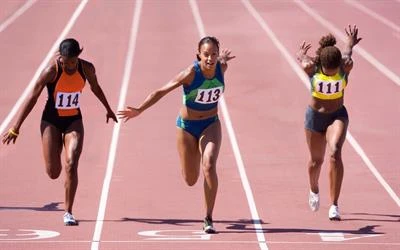
Introduction:
Sport has always been a universal language that unites cultures, nations, and communities. But for many years, the arena of competitive sport has been the exclusive domain of men. But in the last few years, women have been re-writing history with record-breaking performances, shattering records, and establishing themselves on the world stage.
The emergence of women in competitive sports is not just a string of wins—it is a revolution. It is a matter of empowerment, equality, and inspiration. From the tennis courts of Serena Williams to the boxing rings of Mary Kom, and from the football fields of Megan Rapinoe to the cricket fields of Mithali Raj, women sports persons are rewriting the definition of competing at the top level.
Historical Overview: From Margins to Mainstream
For centuries, women were discouraged, limited, or even forbidden from taking part in professional sport. The earliest Olympic Games, for instance, did not admit female competitors. But the 20th and 21st centuries were a time of change, as females started to break boundaries.
- 1900: Women competed for the first time in the Olympics in Paris with a total of just 22 female competitors.
- 1972: Title IX in the US prohibited gender discrimination in sports and education.
- 2000s–2020s: Women athletes became world icons, securing sponsorships, endorsements, and record-breaking viewership.
Key Factors Behind the Rise
There are a number of reasons that have driven this unprecedented rise:
- Policy Changes: Governments and institutions launched laws and policies favoring gender equality.
- Media Exposure: Social media has provided women athletes with a direct voice, avoiding conventional barriers.
- Global Movements: Feminist and gender equality movements encouraged women to take up sports with courage.
- Role Models: Role models such as Serena Williams, Simone Biles, and Sania Mirza set an example for the younger generations.
- Corporate Investment: Endorsements and sponsorships started pouring into women’s sports.
Women in Various Sports
- Tennis: The Queens of the Court
Tennis has led the way for women’s sport. With the likes of Serena & Venus Williams, Steffi Graf, and Naomi Osaka, women’s tennis receives as much coverage as men’s matches.
- Football (Soccer): A Global Revolution
Record-breaking TV viewing figures of more than 1.12 billion people watched the Women’s World Cup 2019 globally. Players such as Megan Rapinoe became icons of excellence and equality.
- Athletics & Gymnastics
Women such as Simone Biles have ruled gymnastics, while runners such as Florence Griffith Joyner created legendary performances.
- Cricket
Women’s cricket is fast on the rise, particularly in nations such as India, Australia, and England. The Women’s T20 World Cup garnered millions of fans.
- Boxing & Combat Sports
Legends such as Mary Kom and Ronda Rousey have demonstrated women’s capabilities in traditionally male sports of combat.
Comparison of Men vs Women Viewership in Sports
| Sport | Avg. Male Event Viewership (Millions) | Avg. Female Event Viewership (Millions) | Growth of Women’s Viewership (Last 10 Years) |
|---|---|---|---|
| Tennis | 15 | 14 | 65% growth |
| Football (Soccer) | 50 | 28 | 120% growth |
| Cricket | 40 | 22 | 150% growth |
| Gymnastics | 12 | 16 | 90% growth |
| Athletics | 18 | 13 | 80% growth |
Challenges Women Still Face in Competitive Sports
In spite of phenomenal advancements, gender disparity exists in a number of ways:
- Pay Inequalities: Male players tend to earn much higher compared to their female counterparts.
- Media Coverage: Women’s sports get a mere 4–5% of overall sports media coverage.
- Stereotypes & Prejudice: Women players are more scrutinized for looks rather than performance.
- Limited Infrastructure: Women have limited access to good training grounds in most countries.
- Harassment & Safety Concerns: Harassment and discrimination continue to be hurdles for many women athletes.
Inspiring Stories of Female Athletes
- Serena Williams (Tennis): 23-time Grand Slam winner, redefining longevity for women sports.
- Simone Biles (Gymnastics): The “GOAT” of gymnastics, unbeaten at the Olympics.
- Mithali Raj (Cricket): Highest run-scorer in women’s cricket.
- Mary Kom (Boxing): Six-time World Champion, shattering stereotypes in combat sports.
- Megan Rapinoe (Football): Equal pay activist and LGBTQ+ rights promoter.
Impact on Society
Women in sports is not only about games—it’s about transforming society:
- Role Models for Girls: Inspiring young girls to aspire above stereotypes.
- Breaking Gender Stereotypes: Sports are not anymore considered a “man’s world.”
- Economic Opportunities: Sponsorships and media exposure generate financial independence.
- Cultural Changes: Empowering women worldwide and bridging inequality.
The Future of Women in Sports (2025 and Beyond)
The future is bright and inclusive. Experts foresee:
- Equal pay movements will pick up further steam.
- Women’s leagues (football, cricket, basketball) will draw massive investments.
- Media coverage will expand as demand increases in viewership.
- The emerging economies of Asia and Africa will give rise to more world female champions.
Predicted Growth of Women’s Sports by 2030
| Sport | Current Revenue (Billion $) | Projected Revenue (Billion $) by 2030 | Growth Potential |
|---|
| Women’s Football | 1.1 | 6.5 | 500% |
| Women’s Cricket | 0.8 | 4.0 | 400% |
| Women’s Tennis | 2.0 | 3.8 | 90% |
| Women’s Basketball | 0.5 | 3.2 | 540% |
Frequently Asked Questions(FAQs)
Tennis and gymnastics have some of the world’s most successful women competitors.
Mainstream biases and economic interests continue to give priority to men’s events, but this is changing gradually.
A: Sports champions such as Naomi Osaka and Iga Świątek lead the pack.
Through influential role models, they motivate millions of girls to chase their dreams in sports.
Getting equal pay, more sponsorships, and combatting gender bias.